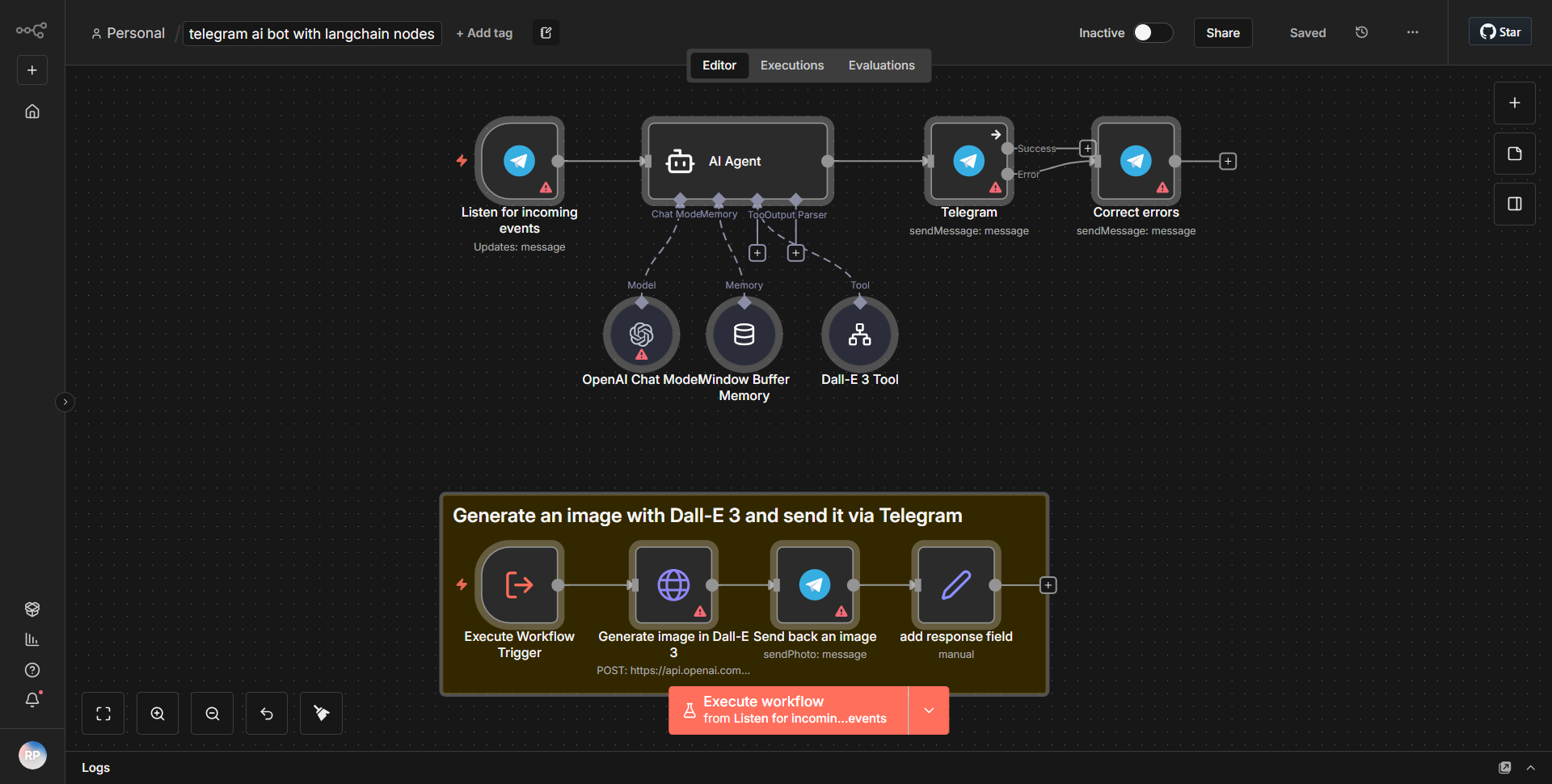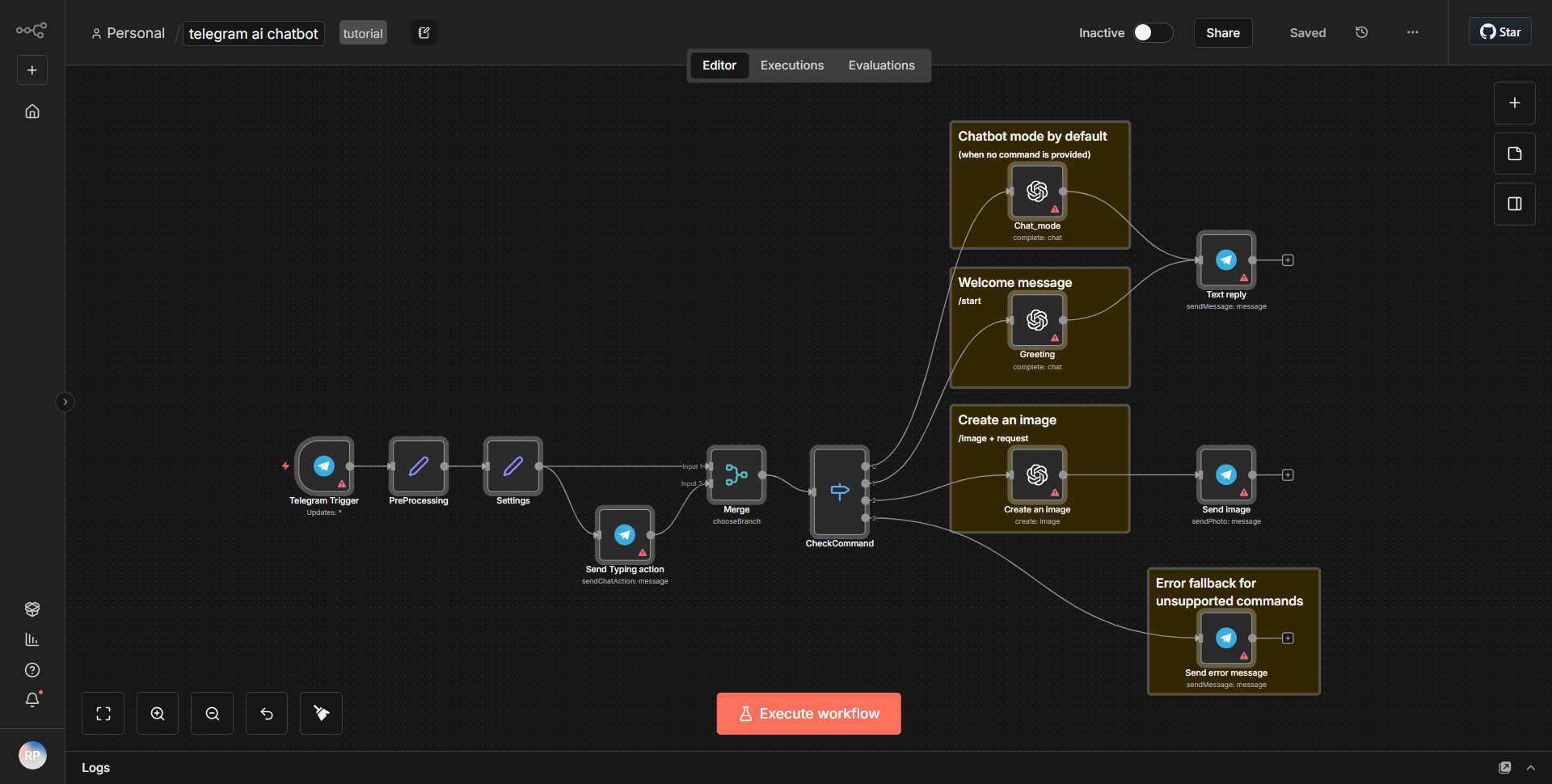
🤖 Telegram Communication Bot for Text_Audio_Images
Multi-modal agent that utilizes AI to generate responses by processing text, audio, and images in Telegram conversations.
How it works
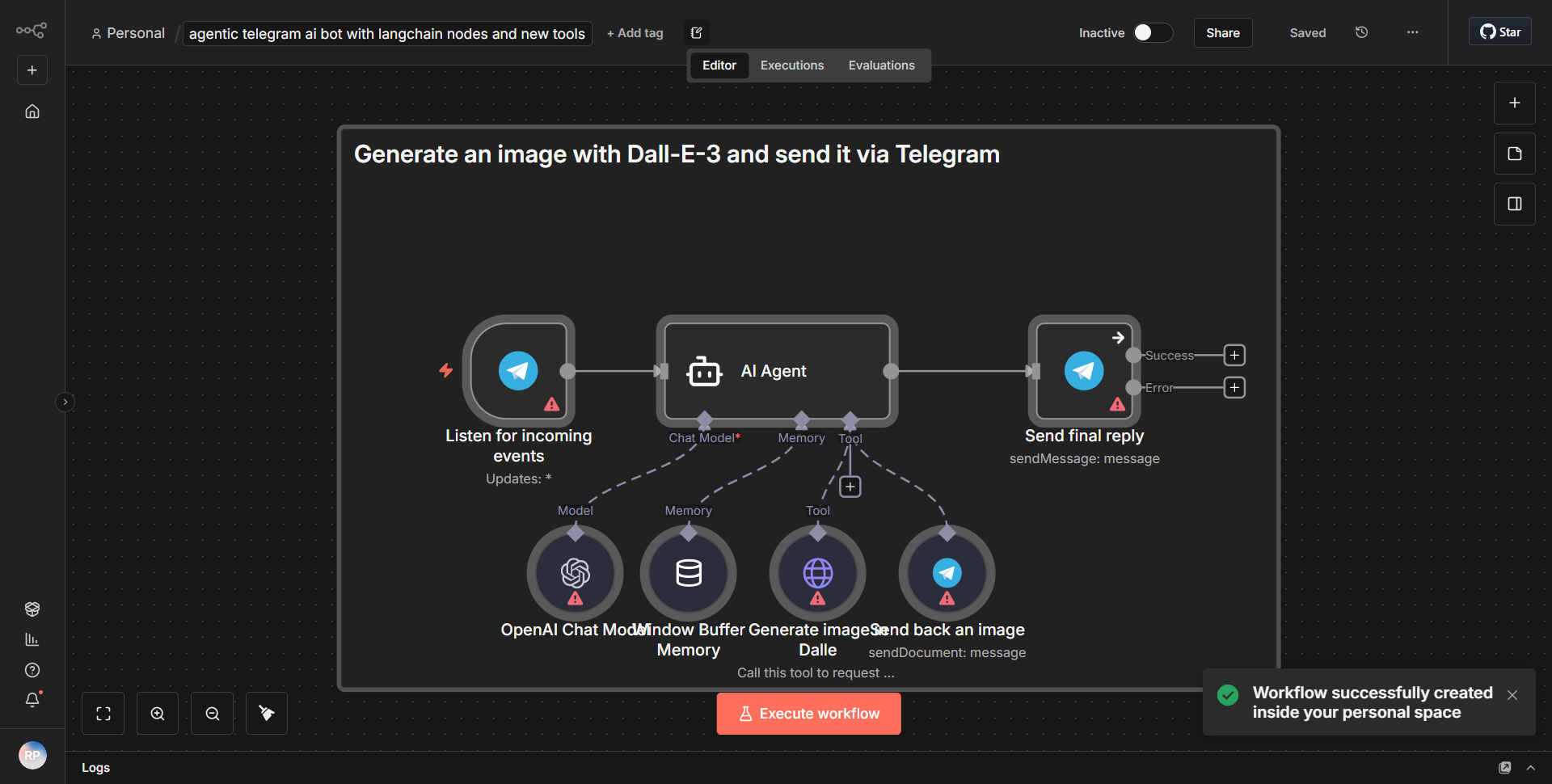
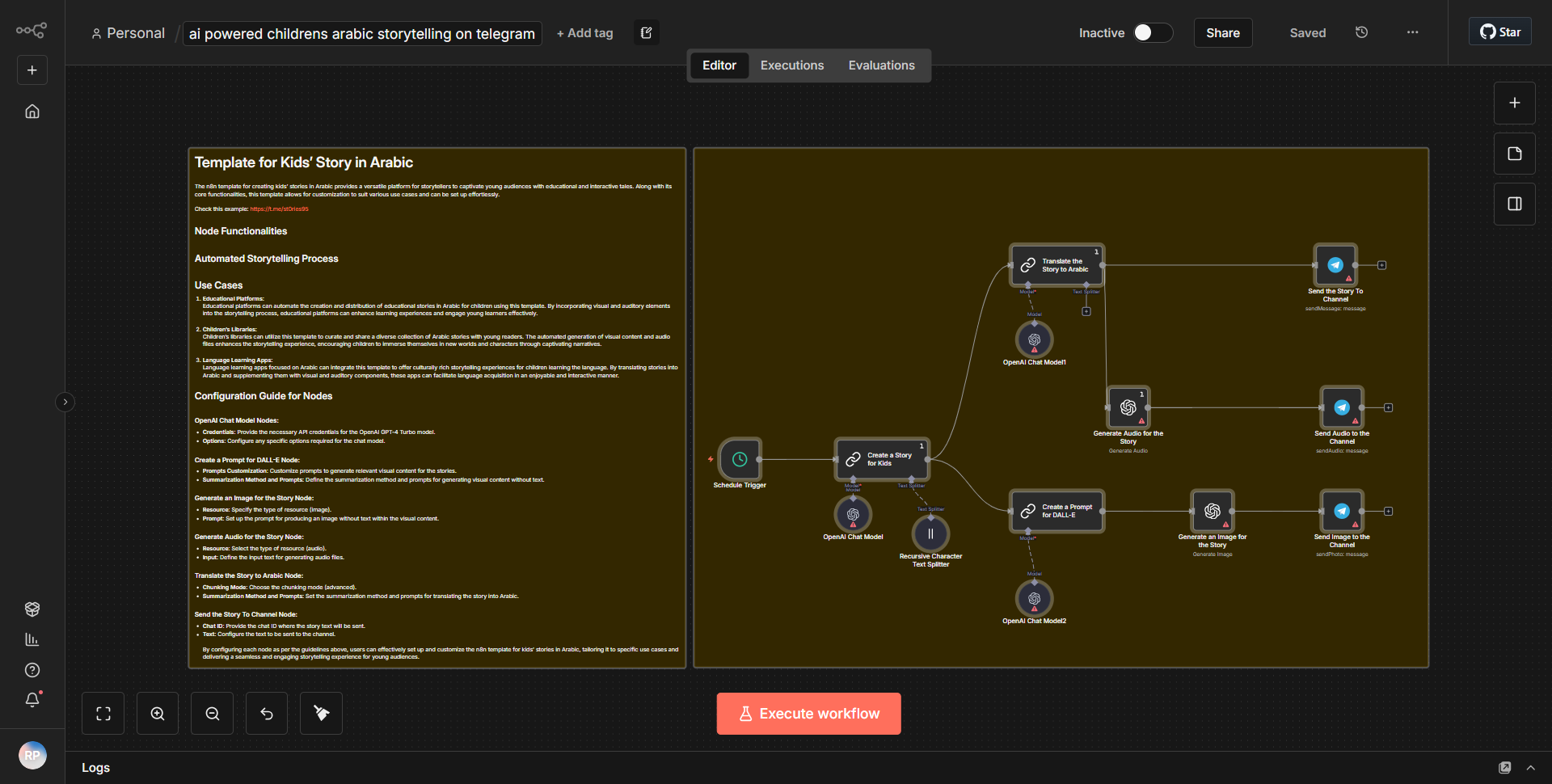
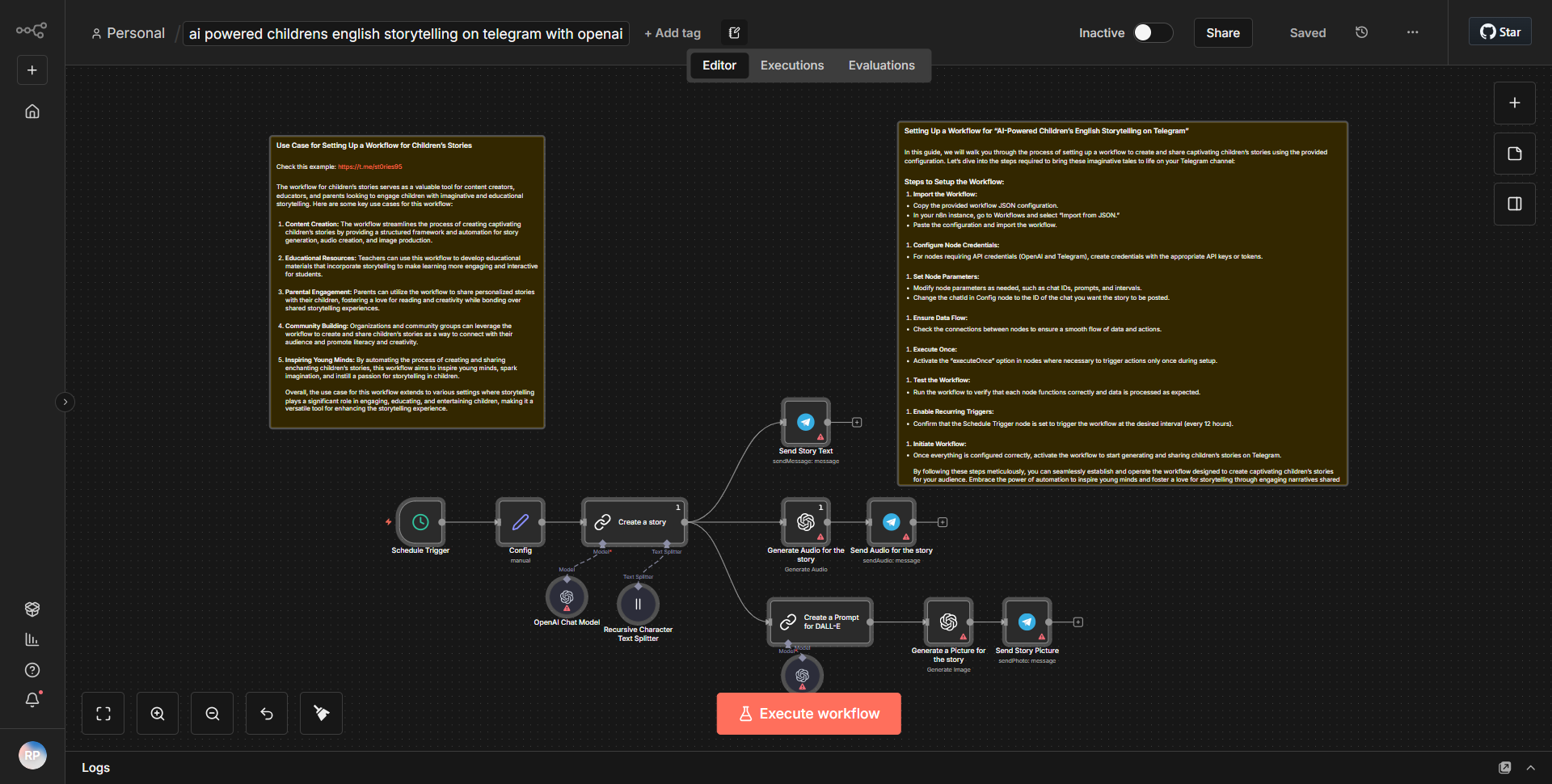
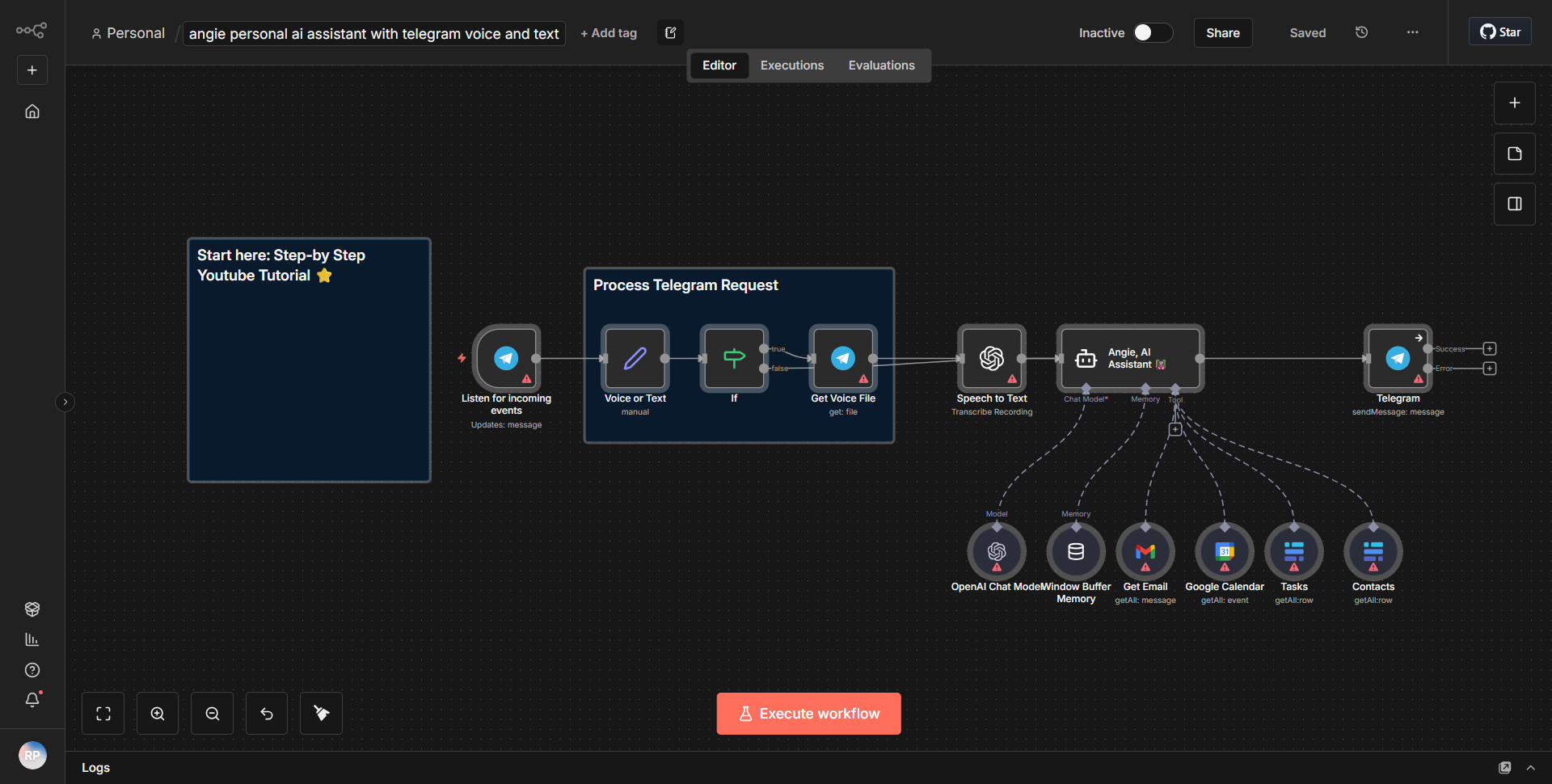
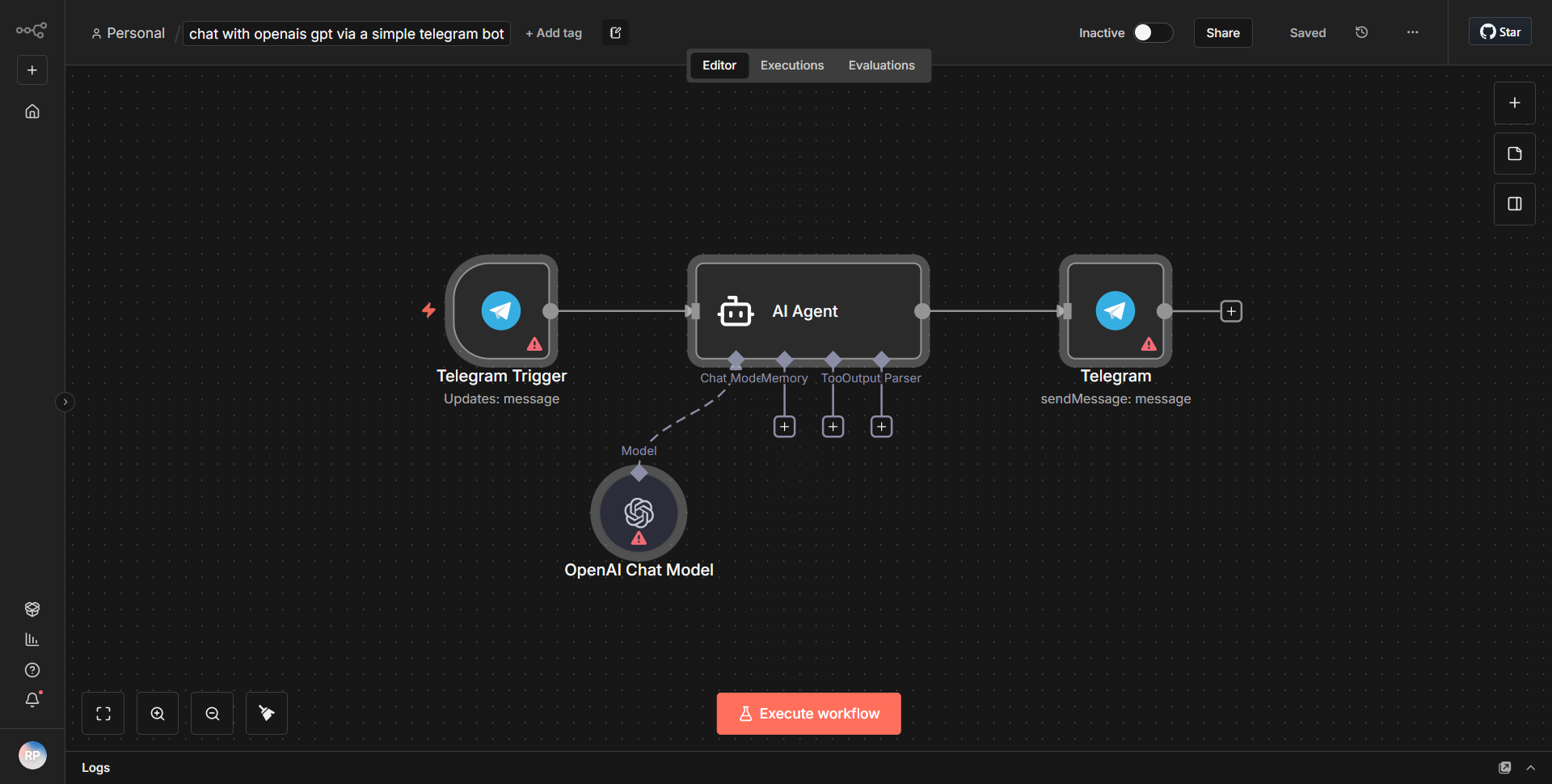
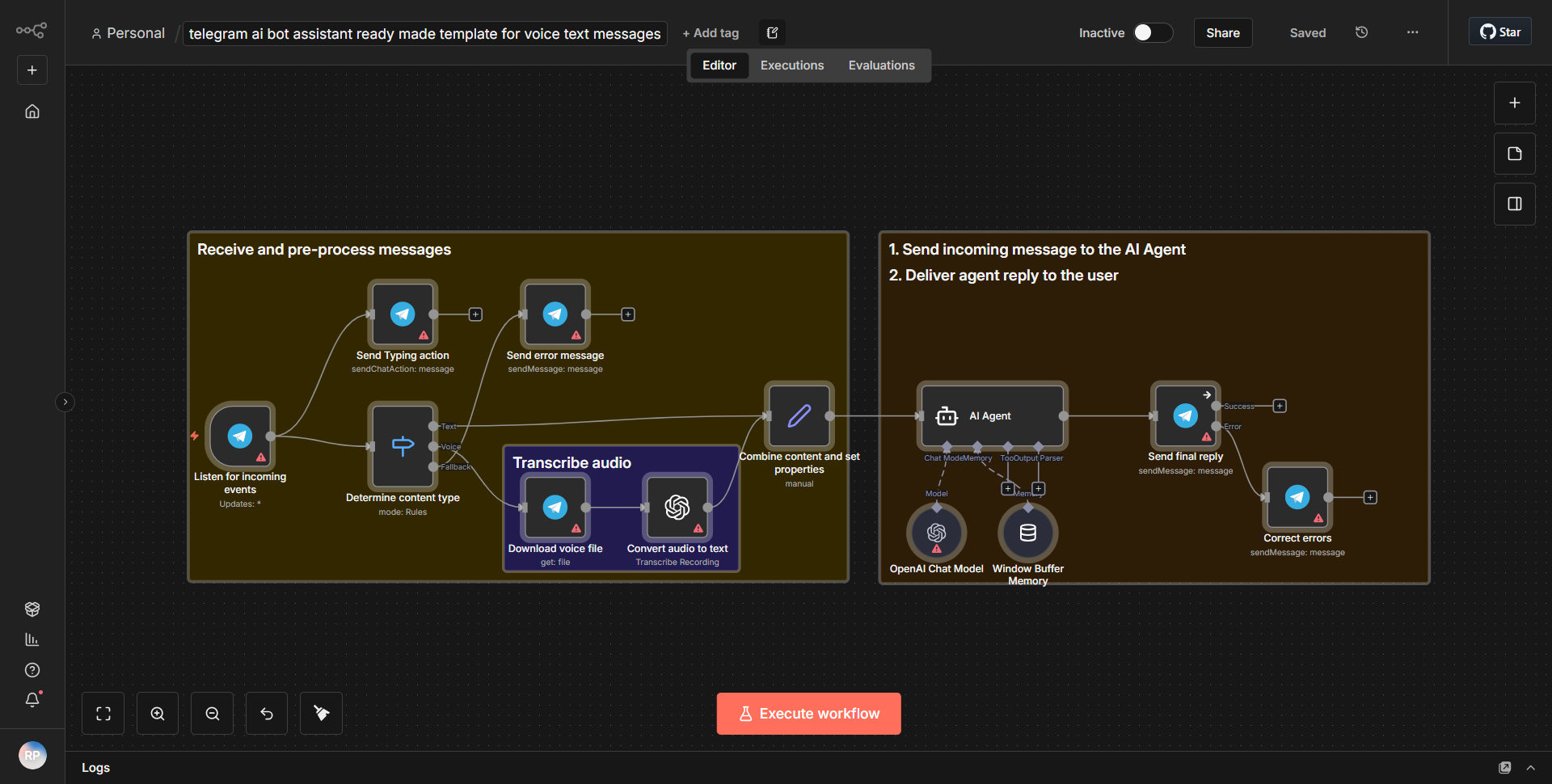
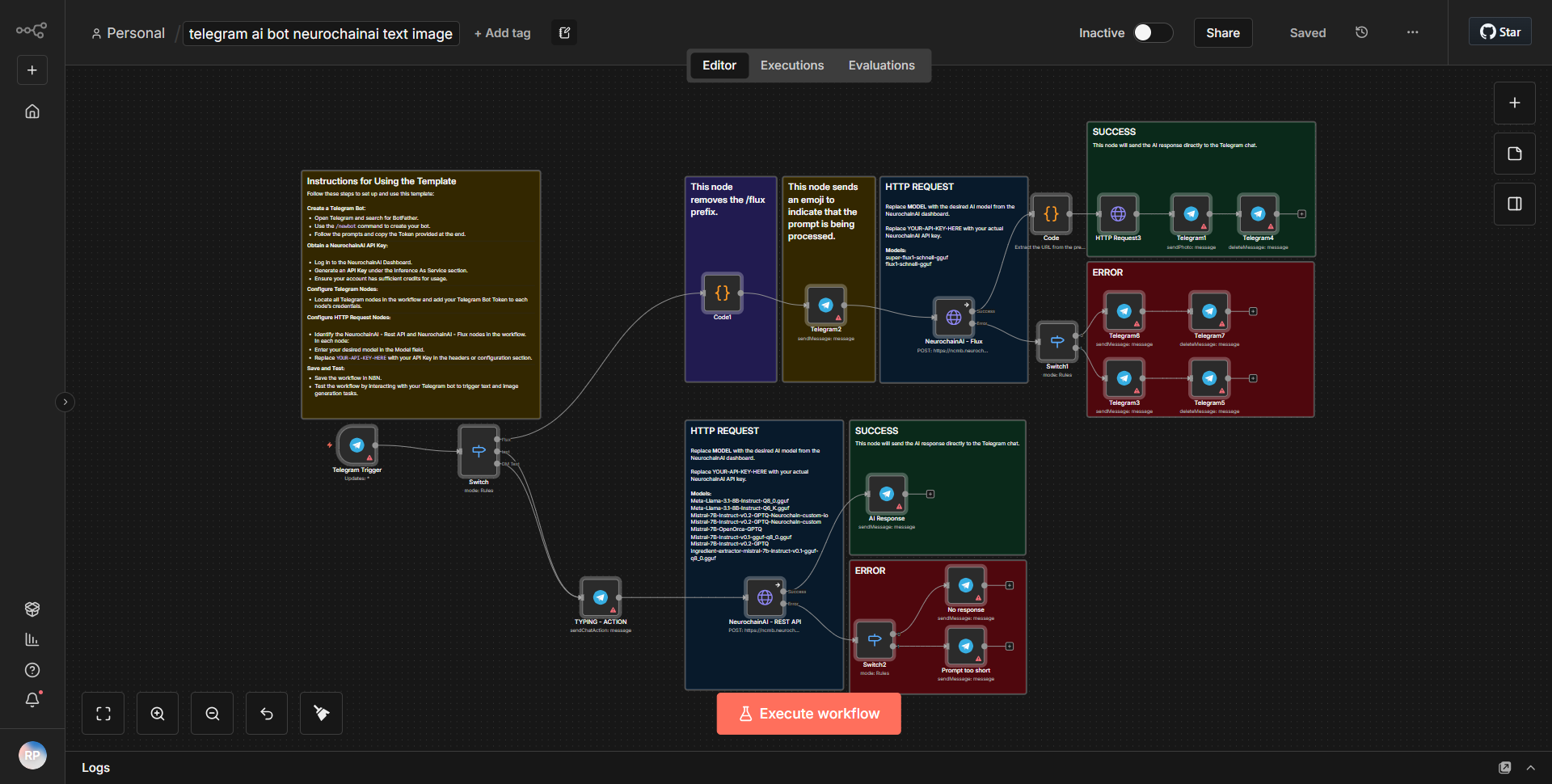
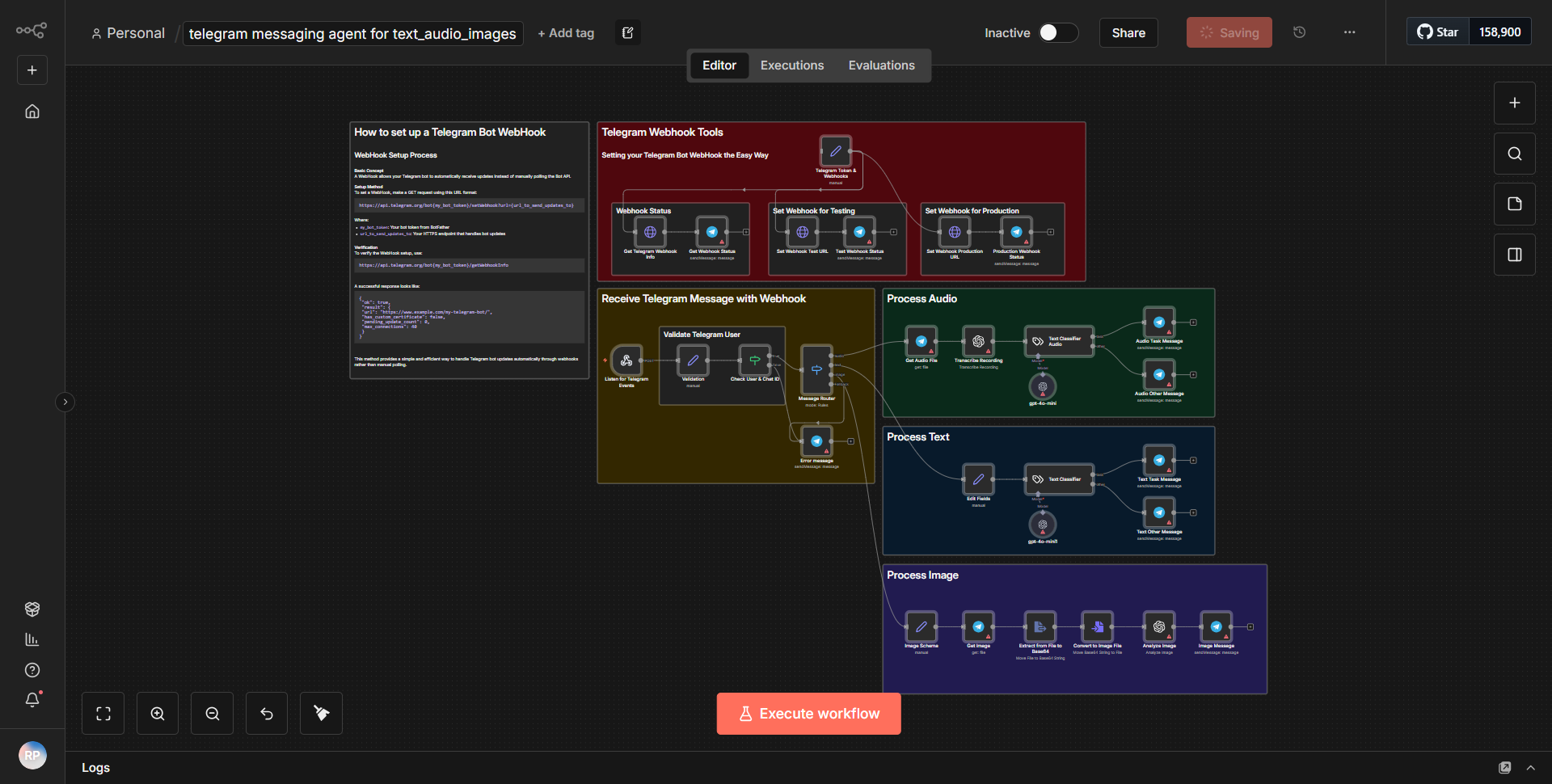
The workflow titled "Telegram Communication Bot for Text_Audio_Images" is designed to facilitate multi-modal communication through Telegram by processing text, audio, and images. The workflow begins with a Telegram Trigger node that activates whenever a new message is received in a specified chat. This node captures the incoming message and its metadata, including the type of content (text, audio, or image).
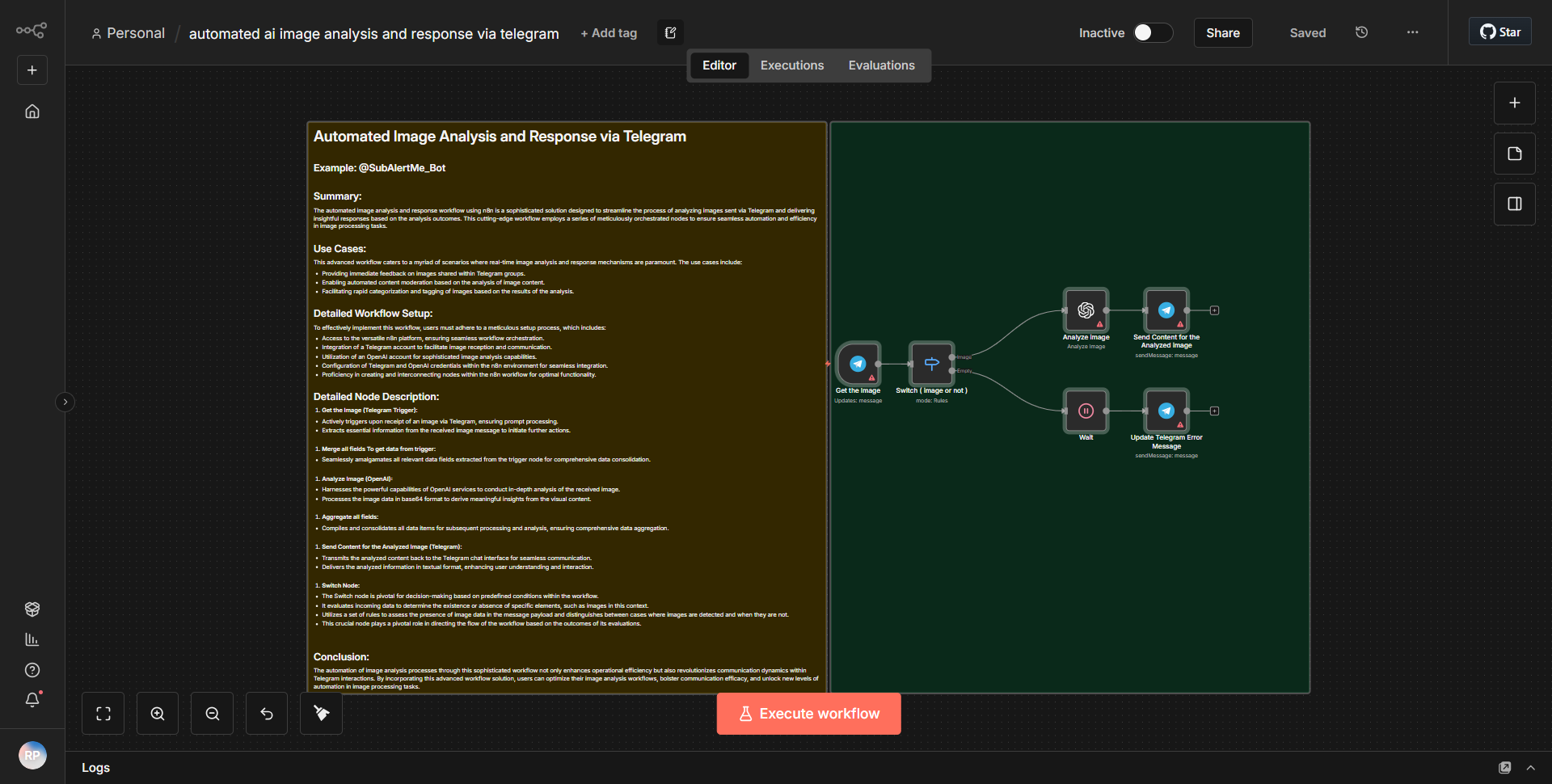
Following the trigger, the workflow employs a Function node to determine the type of content received. This node processes the incoming data and routes it accordingly based on whether it is text, audio, or an image. For text messages, the workflow utilizes an OpenAI node to generate a response based on the input text. The OpenAI node sends the text to the OpenAI API, which processes the input and returns a generated response.
For audio messages, the workflow includes a separate path where the audio is first converted to text using a Speech-to-Text service. Once transcribed, the text is sent to the OpenAI node for generating a response. The generated response is then sent back to the Telegram chat.
In the case of images, the workflow processes the image through an Image Recognition service, which analyzes the content of the image and generates a descriptive text. This descriptive text is then sent to the OpenAI node to create a suitable response, which is again relayed back to the Telegram chat.
Finally, all responses generated by the OpenAI node, whether from text, audio, or image inputs, are sent back to the Telegram chat using a Telegram Send Message node, completing the communication loop.
Key Features
1. Multi-modal Input Handling:
The workflow can process text, audio, and images, allowing for versatile communication methods within Telegram.
2. AI-Powered Responses:
Utilizes OpenAI's capabilities to generate intelligent and context-aware responses based on the input received.
3. Speech-to-Text Conversion:
Converts audio messages into text, enabling the bot to understand and respond to voice messages effectively.
4. Image Recognition:
Analyzes images sent in the chat and generates descriptive text, enhancing the bot's ability to interact based on visual content.
5. Real-time Interaction:
The workflow is triggered by incoming messages, ensuring immediate responses and engagement with users.
Tools Integration
The workflow integrates several tools and services to function effectively:
- Telegram Trigger:
Captures incoming messages from Telegram.
- Function Node:
Determines the type of incoming content (text, audio, image).
- OpenAI Node:
Sends text input to the OpenAI API for response generation.
- Speech-to-Text Service:
Converts audio messages to text for processing.
- Image Recognition Service:
Analyzes images to generate descriptive text.
- Telegram Send Message Node:
Sends responses back to the Telegram chat.
API Keys Required
To operate this workflow, the following API keys and credentials are necessary:
- OpenAI API Key:
Required for accessing the OpenAI services to generate responses.
- Telegram Bot Token:
Needed for the Telegram Trigger and Send Message nodes to interact with the Telegram API.
No additional API keys or credentials are mentioned in the workflow configuration.